
Designing for Accessibility: Transform Your Home for Every Stage of Life

Share
X
Copy Link
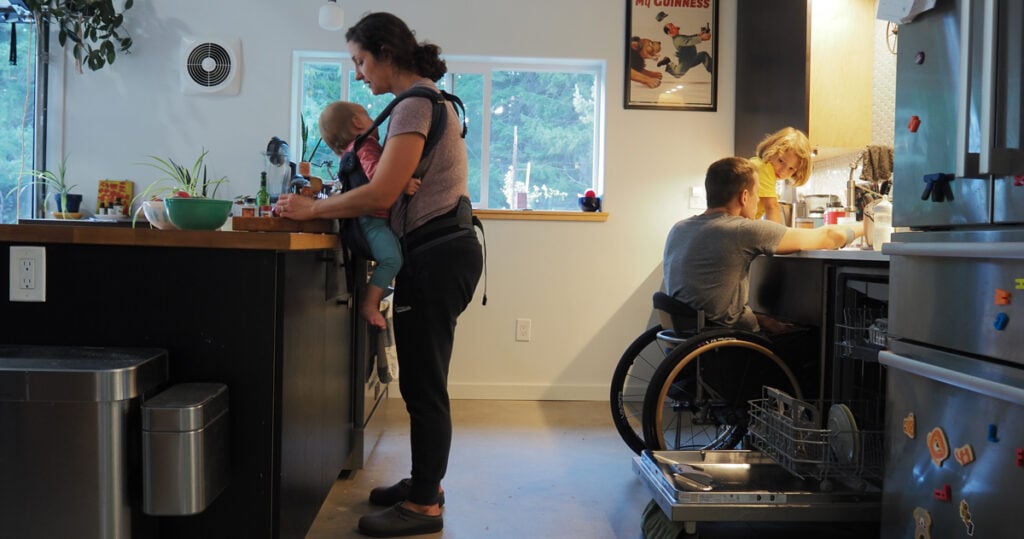
Accessibility isn’t just about designing a home for someone with a disability or a mobility aid—it’s about creating spaces that work seamlessly for everyone, no matter their age or physical ability. Whether you’re planning a renovation or revamping an existing layout, designing a home with accessibility in mind can be both functional and stylish. From safe and practical features to thoughtful layouts, small changes can make a big impact.
Here’s everything you need to know about designing an accessible home that grows with your family while maintaining a welcoming and chic aesthetic.
Why Accessibility Matters in Home Design
Accessibility-focused design isn’t just beneficial for current needs—it’s future-proofing your home. With an ageing population and increasing awareness of mobility issues, having an adaptable space ensures your home remains comfortable and usable for years to come. Plus, these adaptable designs don’t compromise style and can actually enhance the flow and usability of your interiors.
A Safe Home with Timeless Style
Accessibility doesn’t mean giving up on aesthetics—far from it! From modern grab rails to open-plan layouts, you can create a home that is safe, practical, and elegant, all at the same time.
Read on to explore how to apply this to every part of your home.
Kitchen Accessibility
The kitchen is the heart of the home, so ensuring it’s both practical to use and safe is essential. Here’s how to create a kitchen that serves everyone:
Key Features:
- Accessible Worktops: Lower counters or adjustable-height countertops make food prep comfortable for everyone, whether seated or standing.
- Pull-Out Shelves: Deep cabinets can be challenging for anyone, but pull-out shelves or drawers provide easier access to cookware and ingredients.
- Easy-To-Use Appliances: Install ovens and dishwashers at waist height and choose induction hobs to eliminate the risk of burns.
- Non-Slip Flooring: Kitchens often see spills, so opt for flooring materials that provide grip, such as textured vinyl or rubber tiles.
- Soft-Close Cupboards: Minimise noise and risk of accidental slams with soft-close hinges.
Design Tip:
Favour clean, minimalist cabinetry and finishes to keep your kitchen modern while incorporating practical storage solutions. A safer kitchen doesn’t need to feel utilitarian!
Bathroom Accessibility
Bathrooms rank high on the list of spaces where safety and accessibility are vital. But don’t worry—today’s market offers endless stylish options to create safe yet beautiful bathrooms.
Key Features:
- Walk-In Showers: Steer clear of bathtubs and opt for low-threshold walk-in showers with no doors or a glass panel. Add non-slip tiles inside and out for safety.
- Grab Rails in Style: Modern grab rails now come in sleek finishes such as matte black or brushed gold, blending seamlessly with your aesthetic.
- Comfort-Height Toilets: Install a slightly taller toilet to make sitting and standing easier—ideal for elderly family members or those with mobility needs.
- Hands-Free Faucets: Touchless taps not only look sophisticated but reduce unnecessary fumbling, keeping things hygienic.
- Underfloor Heating: Make chilly mornings more pleasant while removing bulky radiators that might obstruct movement.
Design Tip:
Choose warm, neutral colours for walls and flooring, incorporating natural textures like stone to create a soothing spa-like feel.
Bedroom Accessibility
Your bedroom should be a retreat that’s easy to relax in—no matter your mobility needs.
Key Features:
- Clear Flooring Space: Allow plenty of room for manoeuvring, particularly near the bed, wardrobe, and entryways. A minimum of 100cm clearance is recommended.
- Adjustable Beds: Choose beds that can be raised or lowered to make transfers easier for those with mobility aids.
- Accessible Storage: Opt for built-in wardrobes with pull-down rails and sliding doors, which eliminate the need for excessive reaching.
- Smart Lighting: Motion-sensor lights or remote-controlled bedside lamps are perfect for navigating the space at night.
Design Tip:
Add soft furnishings like plush rugs and cushions while keeping clutter to a minimum for an inviting-yet-unobstructed space. Incorporating neutral tones with splashes of your favourite colour can keep the design lively but calming.
Garden Accessibility
An accessible garden can be your personal sanctuary. With thoughtful inclusions, outdoor spaces can be both calming and inclusive.
Key Features:
- Flat Pathways: Use wide, even pathways free from steps to ensure safe navigation. Materials like resin-bound gravel or composite decking are durable and stylish.
- Raised Plant Beds: With raised garden beds, everyone can enjoy gardening without straining their back.
- Ramps in Style: Ramps don’t have to be bulky! Integrated ramps with slip-resistant finishes can blend beautifully with landscaping.
- Comfortable Sitting Areas: Place benches or outdoor furniture in shady areas while ensuring they’re at a height that’s easy to access.
Design Tip:
Choose native plants and low-maintenance landscaping for a tranquil effect, ensuring your garden remains a peaceful escape year-round.
Designing Spaces for Mobility Aids
When designing an accessible home, it’s crucial to consider wide entryways and sufficient manoeuvring space for mobility aids like NRS Walk Safe walking frame or rollator walkers.
Key Features:
- Wide Doorways: Ensure doorways are at least 90cm wide to accommodate walkers or wheelchairs.
- Open-Plan Layout: Avoid tight hallways and opt for open-plan living spaces wherever possible.
- Slip-Free Surfaces: Throughout the home, use slip-resistant flooring that works with rolling aids for smooth navigation.
- Threshold-Free Entry: Ensure level access through all doorways, eliminating any steps or uneven thresholds that could cause issues.
Design Tip:
Choose elegant transitions between spaces with flush floor finishes, such as polished concrete or seamless hardwood, for a cohesive and stylish design.
Make Your Home Beautifully Accessible
Designing a home with accessibility in mind isn’t just about meeting practical needs—it’s about creating a space that grows with you and your family. With thoughtful adjustments in every room, you can build a home that’s both welcoming and functional for every stage of life.
For expert advice, check out our recommended resources or speak to a professional interior designer to turn your vision of an accessible and stylish home into reality. With a little creativity and attention to detail, inclusivity in design never has to be boring.
Published: February 26, 2025
Related articles
Choosing The Ideal Fireplace For Your Green Home Renovation
 Sign up with Facebook
 Sign up with Google
