
How to choose the right balustrade for a stair renovation

Share
X
Copy Link
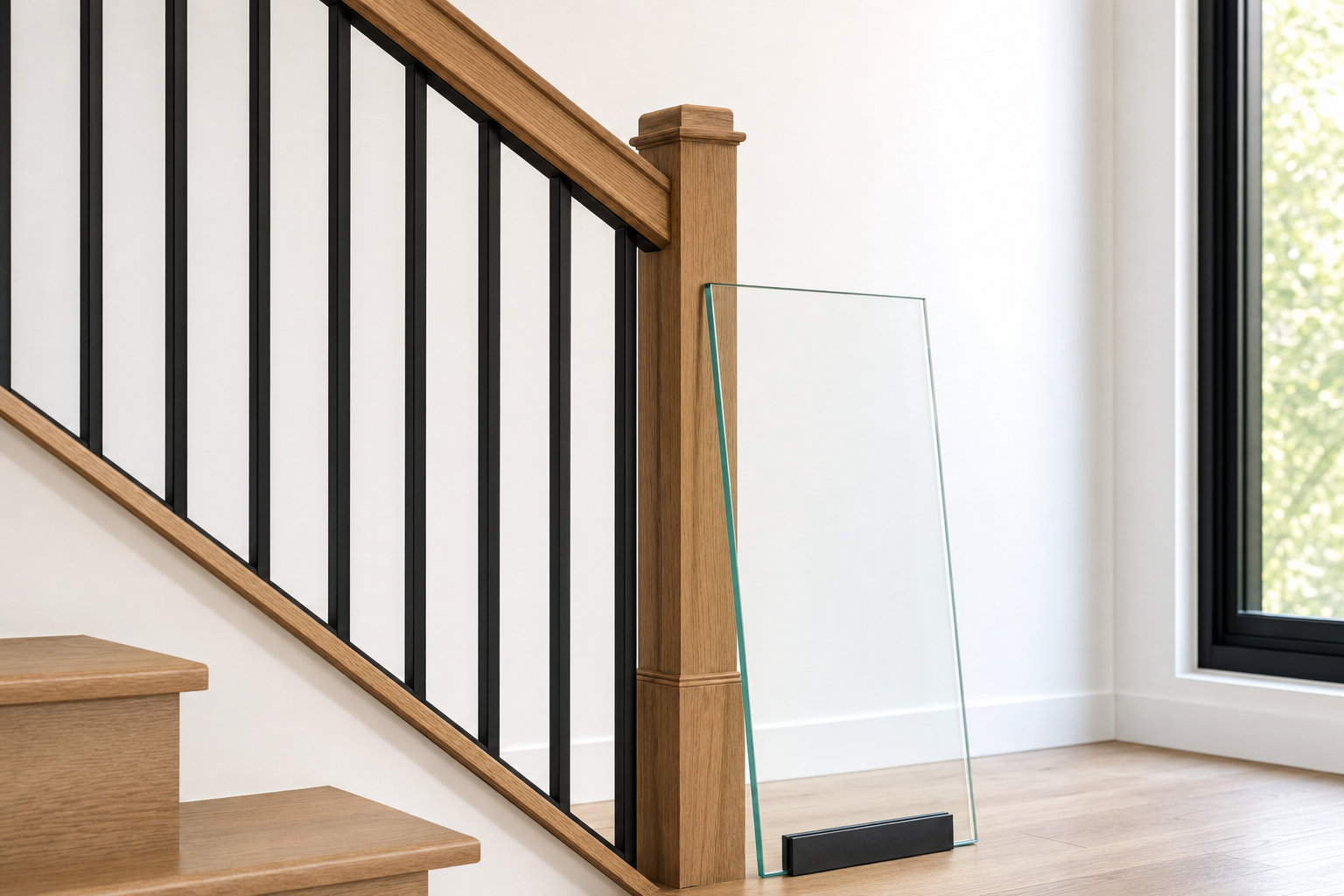
Balustrades play a crucial role in the safety, style, and functionality of any staircase renovation. An effective balustrade not only helps to prevent falls but also enhances the visual flow of your home and determines how open or enclosed a hallway or landing feels. With many design, material, and installation options available, making the right choice is a matter of balancing regulations, appearance, and practicality.
Choosing the right balustrade is an important decision in any renovation, as it affects not just aesthetics, but also how the space functions and feels day to day. Staircases can define the look of a hallway or landing and impact how light travels through these central areas. Balustrades set the tone for your entrance and upstairs spaces, requiring you to consider safety and design together. Whether you are updating a period home or making improvements to a contemporary space, your selection must meet current building standards while suiting your style preferences.
Understanding the main components of a balustrade
A balustrade is composed of several interconnected parts designed to create a protective barrier on stairs, landings, and at the edges of voids. The principal elements include the handrail, which provides grip and support, vertical infills such as spindles or panels, and newel posts that act as structural anchors at ends or turns. Collectively, these components help to prevent falls and guide movement up and down the stairs.
Configurations vary according to stair layout and the needs of your household. Straight stairs typically require a single, continuous balustrade, while dogleg and winder stairs may involve multiple sections or turns. On landings and around double-height spaces, balustrades must conform to regulations governing height, spacing between infills, and overall structural strength.
The spacing and arrangement of these components must work together to create a cohesive system that meets both structural and aesthetic requirements. Base rails, which sit at the bottom of the infill section, provide additional support and help distribute loads evenly across the staircase structure. The way these elements connect, whether through traditional mortise and tenon joints, modern brackets, or glass clamps, affects both the visual appearance and the long-term durability of the installation. Understanding how these components interact helps you make informed decisions about which design approach will work best for your particular staircase configuration and household needs.
Prioritising safety and daily practicality in design
When selecting a balustrade, safety should always come first. Falls from stairs can result in injury, making a robust, well-installed balustrade important in any renovation. Balustrades must be high enough to reduce the risk of overbalancing, and infill gaps must be narrow enough to help prevent children or pets slipping through. Stability is also essential, so components need to be firmly secured and suitable for regular use.
Households with children or elderly family members require particular care. To reduce climbability, avoid horizontal rails or widely spaced elements that may tempt climbers. Surfaces should be smooth to the touch, without sharp edges that could lead to injury during daily use, and the system should be durable enough to cope with frequent use.
Beyond the physical safety aspects, practical considerations include how easy the balustrade is to grip when ascending or descending stairs, particularly in low-light conditions or when carrying items. The handrail diameter should be comfortable to grasp for all household members, typically between 40mm and 50mm for rounded profiles. Consider also how the design accommodates everyday activities such as moving furniture, carrying laundry baskets, or navigating the stairs during rushed morning routines. A well-designed balustrade should feel intuitive to use, providing reassurance and support without requiring conscious thought or adjustment to your natural movement patterns.
Material choices and how they respond over time
The choice of material influences long-term appearance, maintenance, and wear. Timber balustrades are commonly selected for their warmth and classic look, but require regular cleaning and occasional refinishing to help manage wear. Timber can be susceptible to dents or scratches in busy households, though repairs are generally straightforward with sanding and refinishing.
If you are restoring accessible timber sections, compare our recommended random orbital sanders for renovation and follow the balustrade finish manufacturer’s preparation guidance.
Metal balustrades offer a modern aesthetic and are valued for their slender proportions and strength. While metals are typically treated to improve corrosion resistance, moist environments and lack of upkeep may result in tarnishing or surface changes. Glass panels create a sense of openness and maximise light but show fingerprints and smudges easily, demanding frequent cleaning. Mixed-material systems allow you to combine features, such as pairing a timber handrail with glass infills.
Integrating style and proportion into your interior scheme
A balustrade’s style can either reinforce the period character of your home or introduce contemporary lines. In properties with original features, choosing a design with turned spindles or shaped newel posts can help maintain cohesion. In modern settings, minimalist glass or slender metal infills can complement open-plan layouts without visually crowding the space.
Consider the visual weight and transparency of different balustrade types, as these can affect how spacious and bright the staircase feels. Glass and slimline metal infills can enhance natural light, making hallways and landings appear larger. Timber or heavier infills can create a more substantial, traditional appearance, which some homeowners may prefer for its sense of solidity and warmth.
Detailing, finish options, and achieving a harmonious look
Handrail profiles, whether rounded, oval, or square, influence both comfort and style. The design of newel posts, the thickness and shape of spindles, and the way infills are spaced all contribute to the overall impression a balustrade leaves. Attention to these details allows you to fine-tune the balance between period authenticity and modern appeal.
Colour and finish choices are also important. Matching the stain or paint of your balustrade to existing joinery, such as doors and skirtings, can help unify the interior scheme. Opting for a contrasting tone can create a deliberate focal point on the staircase, lending definition to otherwise neutral spaces.
Working with the structure you already have at home
Many stair renovations are completed by retaining and enhancing selected elements rather than replacing the entire structure. Retaining sturdy handrails or newel posts can preserve the integrity of the installation and make updating the look more affordable. New infills or a fresh finish can give a staircase a modern appearance without rebuilding from scratch.
Uneven floors or out-of-plumb walls are a common challenge in older properties, requiring bespoke joinery or flexible mounting methods. At junctions with half-landings or galleries, careful planning helps ensure transitions are smooth and the finished balustrade lines up neatly.
Understanding installation, budgeting, and common challenges
The cost of balustrade installation is influenced by material type, system complexity, bespoke requirements, and the quality of finish desired. Glass panels are often more expensive than timber or metal spindles, particularly when custom cut or supplied with special coatings. Bespoke features, such as intricate newel designs or curved handrails, can increase project costs.
Timeline expectations vary depending on whether structural repairs, templating for glass, or specialist finishes are involved. Misalignments, late decisions on design, or difficulties sourcing materials may cause delays. Planning ahead and confirming specifications in advance can help support a smooth installation process.
Keeping your balustrade looking its best over years of use
Regular cleaning helps maintain the appearance and safety of your balustrade. Timber should be dusted and wiped with a soft, damp cloth, avoiding harsh chemicals that may strip the finish. Glass panels require non-abrasive cleansers to help prevent scratching and reduce smears.
Metal components should be checked for loose fixings or surface wear, particularly at joints and handrail connections. If the balustrade becomes wobbly or shows signs of damage, it should be checked and repaired to help maintain stability and safe use. Routine checks can help identify problems early and extend the life of the installation.
Published: September 23, 2026

 Sign up with Facebook
 Sign up with Google
