Designing Your Dream Home Office

Share
Copy Link
Working from home has transformed from a temporary arrangement into a permanent lifestyle for millions. Your home office isn't just another room anymore; it's your daily sanctuary, productivity hub, and professional face during video calls. But creating a space that truly works requires more than shoving a laptop onto the kitchen table.
The challenge lies in crafting a room that serves dual masters: functionality and aesthetics. Your office needs to inspire creativity whilst maintaining the professionalism your work demands. It should feel distinctly separate from your living space, yet harmonise with your home's overall design language.
Getting this balance right transforms not just your work experience, but your entire relationship with your home. A well-designed office becomes a space you genuinely want to spend time in, boosting both productivity and well-being.
Choosing the Perfect Space for Your Home Office
Location sets the foundation for everything else. Natural light should be your first consideration; it reduces eye strain, improves mood, and creates beautiful video call backgrounds. South-facing windows offer consistent daylight, though you'll need blinds to control glare during peak hours.
Noise levels matter enormously. That spare bedroom beside the kitchen might seem convenient until you're fielding important calls over the sound of the dishwasher. Consider your household's daily rhythms. Do children play in adjacent rooms? Does road traffic create constant background noise?
Room size dictates your design possibilities, but smaller spaces can work brilliantly with clever planning. A corner of your bedroom can become a sophisticated workspace with the right furniture and visual boundaries. Even under-stair alcoves transform into productive offices with proper lighting and storage solutions.
Privacy becomes crucial when your home doubles as your workplace. Visual separation from living areas helps maintain professional boundaries, even if it's just a strategically placed bookshelf or room divider.
Selecting the Right Office Desk
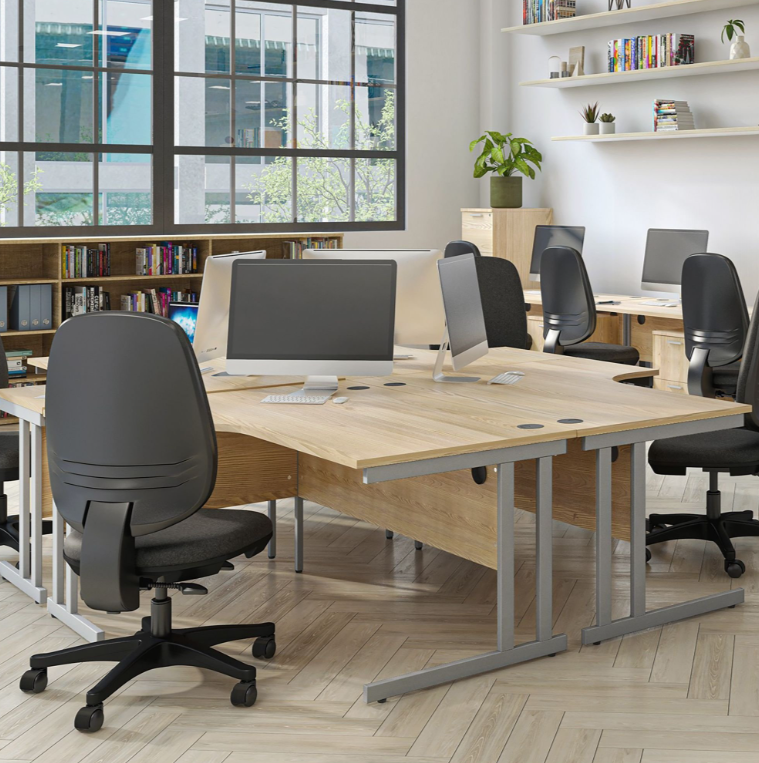
Your office desk anchors the entire room and influences everything from storage solutions to traffic flow. Size should accommodate your work essentials without overwhelming the space. Measure your equipment first—monitor, keyboard, lamp, and daily paperwork—then add 20% breathing room.
Standing desks have gained popularity for good reason. They combat the health effects of prolonged sitting whilst offering flexibility throughout your day. Electric height-adjustable models provide seamless transitions, though manual crank versions work perfectly well at lower price points.
Traditional desks still have their place, particularly in classical or vintage-inspired interiors. Solid wood options age beautifully and can be refinished to match evolving décor. Look for models with integrated cable management to keep technology tidy.
Consider your work style when choosing depth. Graphic designers need space to spread out materials, whilst writers might prefer deeper surfaces that push screens further away. Corner desks maximise floor space in compact rooms, creating efficient L-shaped work zones.
Investing in Ergonomic Office Chairs
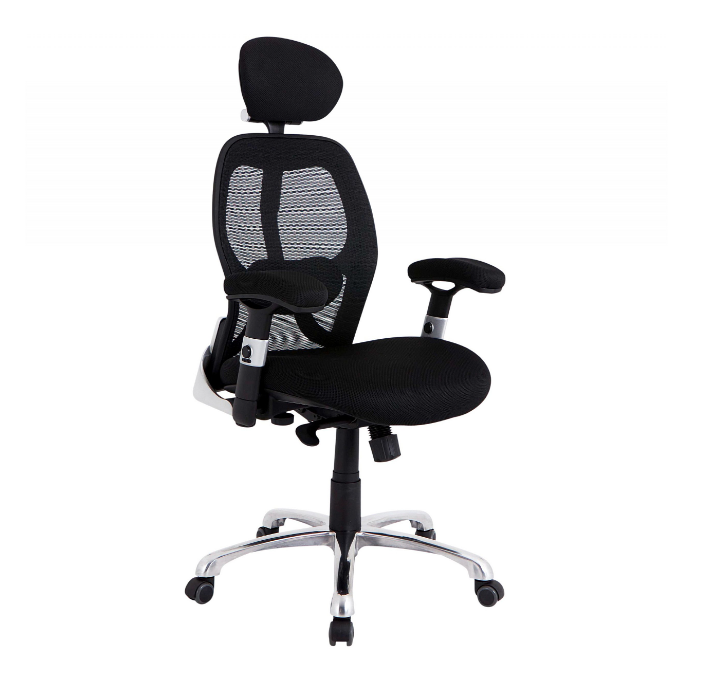
Office chairs are an important thing to get right, as you'll spend roughly 40 hours weekly in this seat—more time than you spend in bed. Poor ergonomics lead to back pain, reduced focus, and long-term health issues that far outweigh any initial savings.
Adjustability is non-negotiable. Seat height should allow your feet to rest flat on the floor with thighs parallel to the ground. Armrests need to support your forearms without pushing your shoulders up. The backrest should follow your spine's natural curve, providing firm support without forcing you into unnatural positions.
Mesh backs offer superior breathability for warmer climates or heated offices. Leather conveys executive presence but can become uncomfortably warm during long sessions. Fabric strikes a middle ground, offering comfort and professional appearance whilst remaining cool.
Test chairs before purchasing when possible. Many online retailers offer generous return policies, recognising that ergonomic fit is highly personal. What works perfectly for one person might cause discomfort for another with different proportions.
Smart Storage Solutions
Effective storage maintains both functionality and visual appeal. Built-in shelving maximises vertical space whilst creating architectural interest. Floating shelves keep the floor clear, making rooms feel larger and easier to clean.
Filing needs vary dramatically by profession. Digital workers might need minimal physical storage, whilst legal professionals require extensive document organisation. Assess your actual requirements rather than assuming you need traditional filing cabinets.
Closed storage prevents visual clutter, crucial for video calls and mental clarity. Stylish boxes, baskets, and drawer organisers keep necessities accessible whilst maintaining clean lines. Label everything clearly—efficiency drops when items become difficult to locate.
Consider dual-purpose furniture that serves storage and aesthetic functions. Ottoman storage provides additional seating for visitors whilst hiding supplies. Vintage trunks offer character alongside practical storage capacity.
Balancing Aesthetics with Functionality
Professional appearance matters, but sterile offices kill creativity. Personal touches—artwork, plants, meaningful objects—create emotional connection to your workspace. Family photos humanise video calls whilst providing motivational reminders of why you work.
Colour psychology influences productivity and mood. Blues promote focus and calm, ideal for analytical work. Greens reduce eye strain and encourage creativity. Warm neutrals create welcoming atmospheres without overwhelming professional requirements.
Lighting layers create both functionality and ambience. Task lighting illuminates specific work areas without straining eyes. Ambient lighting provides overall room illumination whilst accent lighting highlights architectural features or artwork. Dimmer switches offer flexibility throughout the day.
Plants improve air quality whilst softening hard edges of technology and furniture. Low-maintenance options like snake plants or ZZ plants thrive in office environments. Avoid high-maintenance species that become stressful distractions.
Cable management keeps spaces looking intentional rather than chaotic. Cord organisers, under-desk trays, and wall-mounted power strips eliminate visual clutter whilst maintaining easy access to connections.
Creating Your Perfect Work Environment
Designing a luxury home office requires patience and planning, but the investment pays dividends in productivity, comfort, and professional satisfaction. Start with the fundamentals—location, desk, and chair—then layer in storage, lighting, and personal touches.
Quality matters more than quantity. One exceptional office chair serves you better than multiple mediocre furnishings. Similarly, well-designed storage solutions eliminate clutter more effectively than numerous random organisational products.
Remember that your office will evolve alongside your career and personal needs. Choose foundational pieces that adapt to changing requirements. Your dream home office isn't just about impressing video call participants—it's about creating a space where you genuinely thrive.
Published: October 8, 2025


 Sign up with Facebook
 Sign up with Google
