
Small Bathroom Ideas UK: 25 Real Rooms, Layouts & Storage Tricks

Share
X
Copy Link
A small bathroom works best when every decision earns its place. The layout should leave comfortable movement space, storage should use the walls rather than crowd the floor, and the finishes should help the room feel calm rather than busy.
This guide brings together practical small bathroom ideas for UK homes, including layout options, showers and baths, storage, visual tricks, realistic renovation costs and planning advice. Use the links below to jump directly to the part of the project you are working on.
Start here
What does your small bathroom need?
Four useful products for a small bathroom
These are practical additions rather than a complete bathroom shopping list. Each solves a common compact-room problem: shallow mirrored storage, shower clutter, household condensation or a mirror that combines light with a demister. We have not claimed hands-on testing; check dimensions, installation requirements and electrical zones against your room before ordering.
Best space-saving mirrored storage
1. Croydex Medway sliding-door mirrored cabinet
The Croydex Medway combines a bathroom mirror with concealed shelving, so the wall above the basin performs two jobs. Its sliding door is particularly useful where an outward-opening cabinet door would feel awkward or clash with nearby fittings. Compare more shapes, door styles and electrical options in our guide to the best bathroom mirror cabinets.
Choose it ifYou want useful storage above the basin without allowing clearance for a hinged door.
Check firstMeasure the wall, basin and tap clearance, and confirm the wall construction can support it.
Best premium shower storage
2. simplehuman tension shower caddy
A tension caddy uses vertical space in the shower and avoids bottles collecting on the tray or bath edge. This simplehuman model is the premium option of the four, with adjustable baskets designed to accommodate taller bottles and accessories.
Choose it ifYou need substantial shower storage but do not want to drill through tiles.
Check firstConfirm the available floor-to-ceiling height and that both contact surfaces are suitable.
Best for household condensation control
3. MeacoDry Arete One 20L dehumidifier
A dehumidifier can help manage excess moisture in the wider home when ventilation alone is not keeping up. The MeacoDry Arete One 20L is a substantial household appliance rather than a bathroom accessory, making it most relevant to homes with recurring condensation in several rooms.
Choose it ifCondensation is a wider household problem and you want a dedicated moisture-control appliance.
Check firstFollow the manufacturer's siting and electrical-safety instructions; do not place it where it can be splashed.
Best illuminated mirror
4. EMKE illuminated bathroom mirror with demister
An illuminated mirror gives the basin area task lighting without adding a separate fitting, while a demister helps keep the central viewing area clearer after a shower. It is a tidy way to combine several functions on one wall. Our comparison of the best illuminated bathroom mirrors explains sizing, lighting styles, demisters and electrical considerations in more detail.
Choose it ifYou want a clean, contemporary mirror with integrated light and demisting.
Check firstConfirm its exact dimensions, bathroom rating and installation position with a qualified electrician.
Compare your options
Detailed small bathroom buying guides
If you want to compare more models before ordering, use our dedicated guides to bathroom mirror cabinets, illuminated bathroom mirrors, small bathroom storage cabinets and bathroom extractor fans.
Small bathroom layout ideas
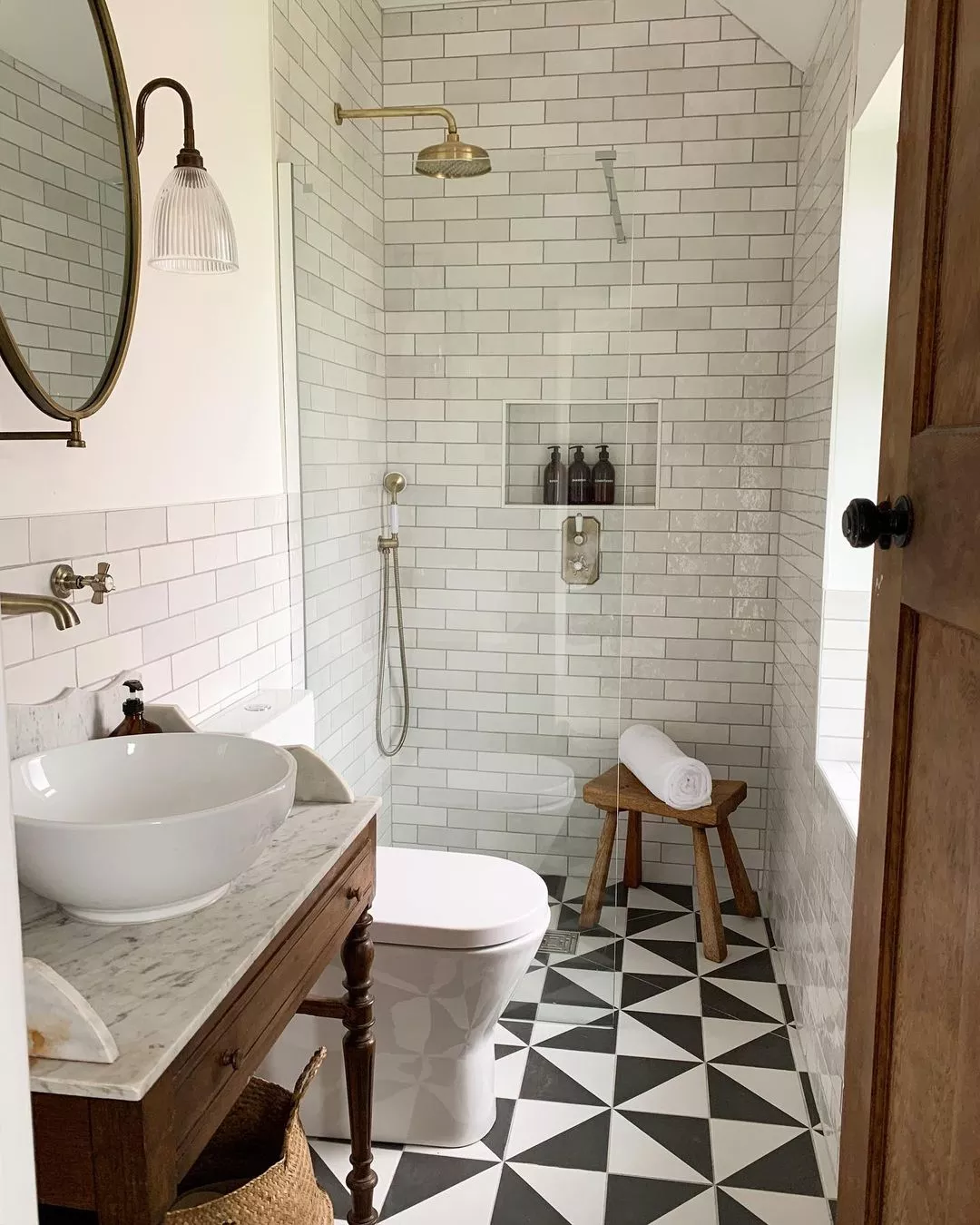
Layout has a greater effect than any colour or tile choice. Start by drawing the room accurately, including the door swing, window, soil pipe, ceiling slopes and the depth of every proposed fitting. Allow for elbows at the basin, knees at the toilet and enough room to dry yourself comfortably after a shower.
Shower over bath
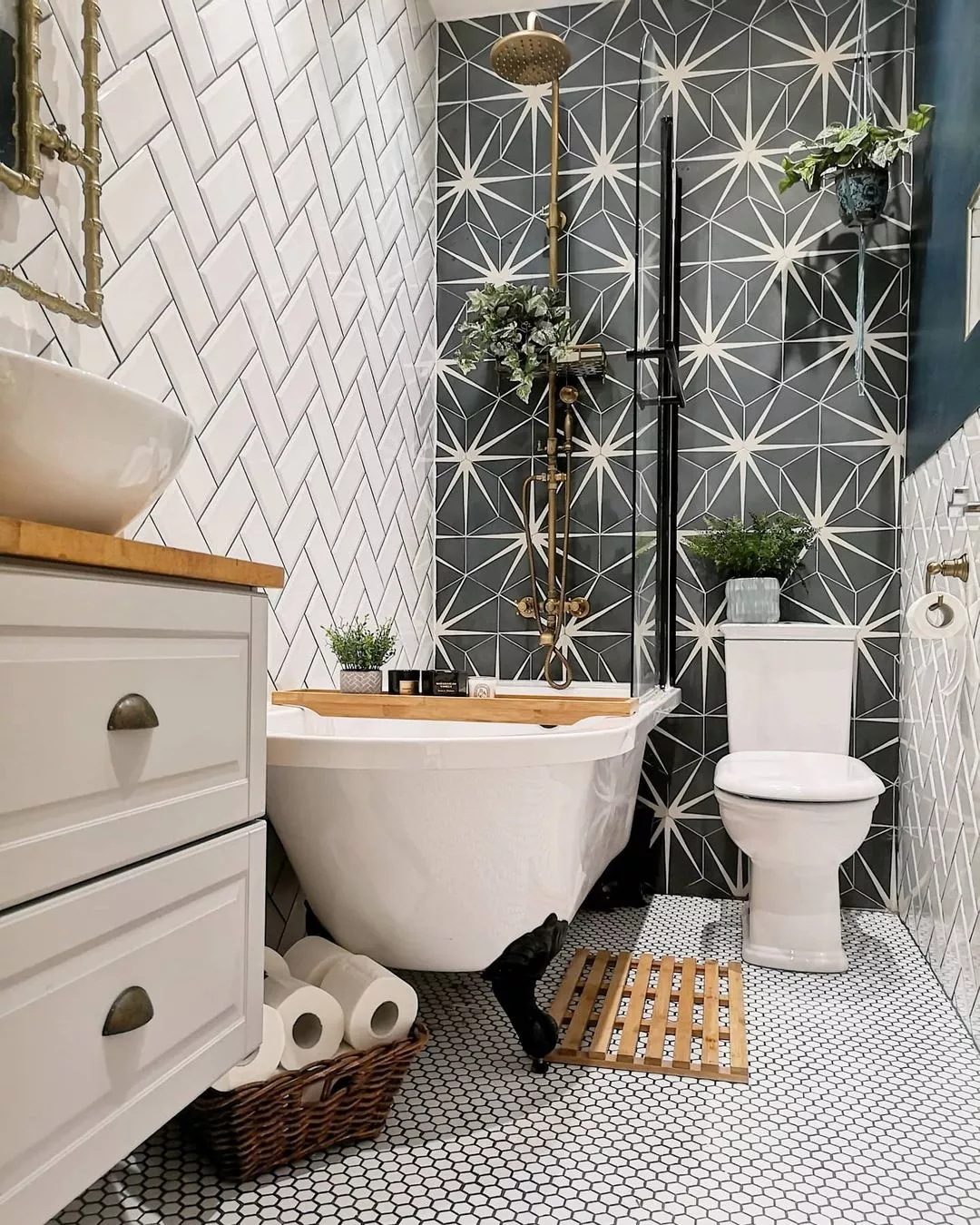
A shower over the bath remains one of the most efficient family-bathroom layouts because two functions share one footprint. A typical straight bath is around 1700mm long, but shorter models can help in a compact room. A clear glass screen usually feels lighter than a curtain and contains water more reliably.
Before choosing a shorter bath, sit in a showroom model if possible. Saving 100–200mm can unlock the layout, but an uncomfortable bath is a poor trade. Also plan a practical position for controls so the shower can be turned on without standing beneath cold water.
Walk-in shower
If a bath is not essential, a walk-in shower can simplify a narrow room. One frameless panel creates fewer visual boundaries than a fully framed enclosure, although the open side needs enough length to contain splashes. An 800mm square tray can fit a tight plan, while a wider rectangular shower normally feels more comfortable.
Wet room
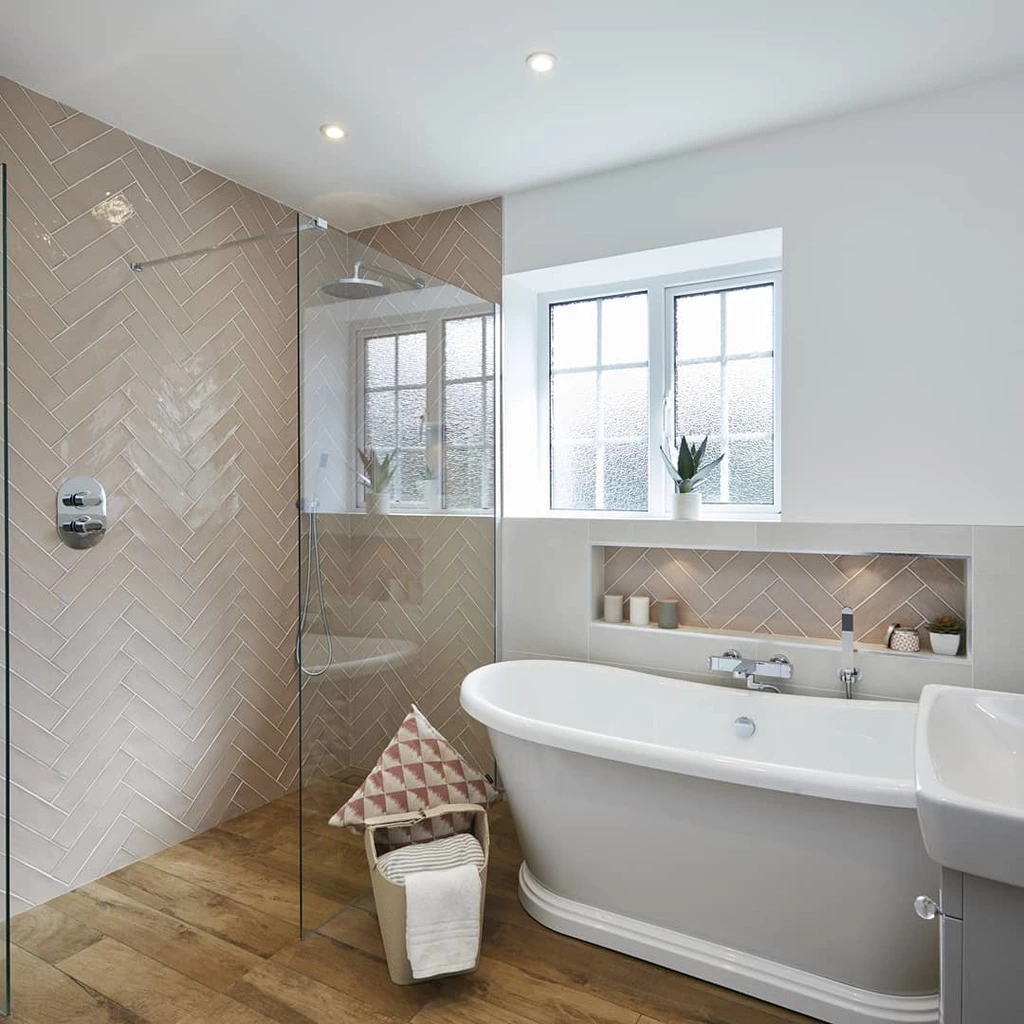
A wet room removes the step of a conventional tray and can work around awkward geometry. The important decisions are technical: a correctly formed fall, dependable tanking, drainage capacity and a screen positioned to keep the toilet and towels dry. Use an installer with demonstrable wet-room experience.
Corner fixtures and pocket doors
Corner basins and quadrant showers can turn otherwise unused corners into functional space. They are most useful in cloakrooms and very small shower rooms, but check that the corner position does not make the fitting frustrating to use.
The door is easy to overlook. Rehanging it to open outwards, where safe and appropriate, or installing a pocket door can release valuable floor area. A pocket door needs a suitable wall cavity and is easiest to include while the room is already being rebuilt.
Storage ideas for small bathrooms
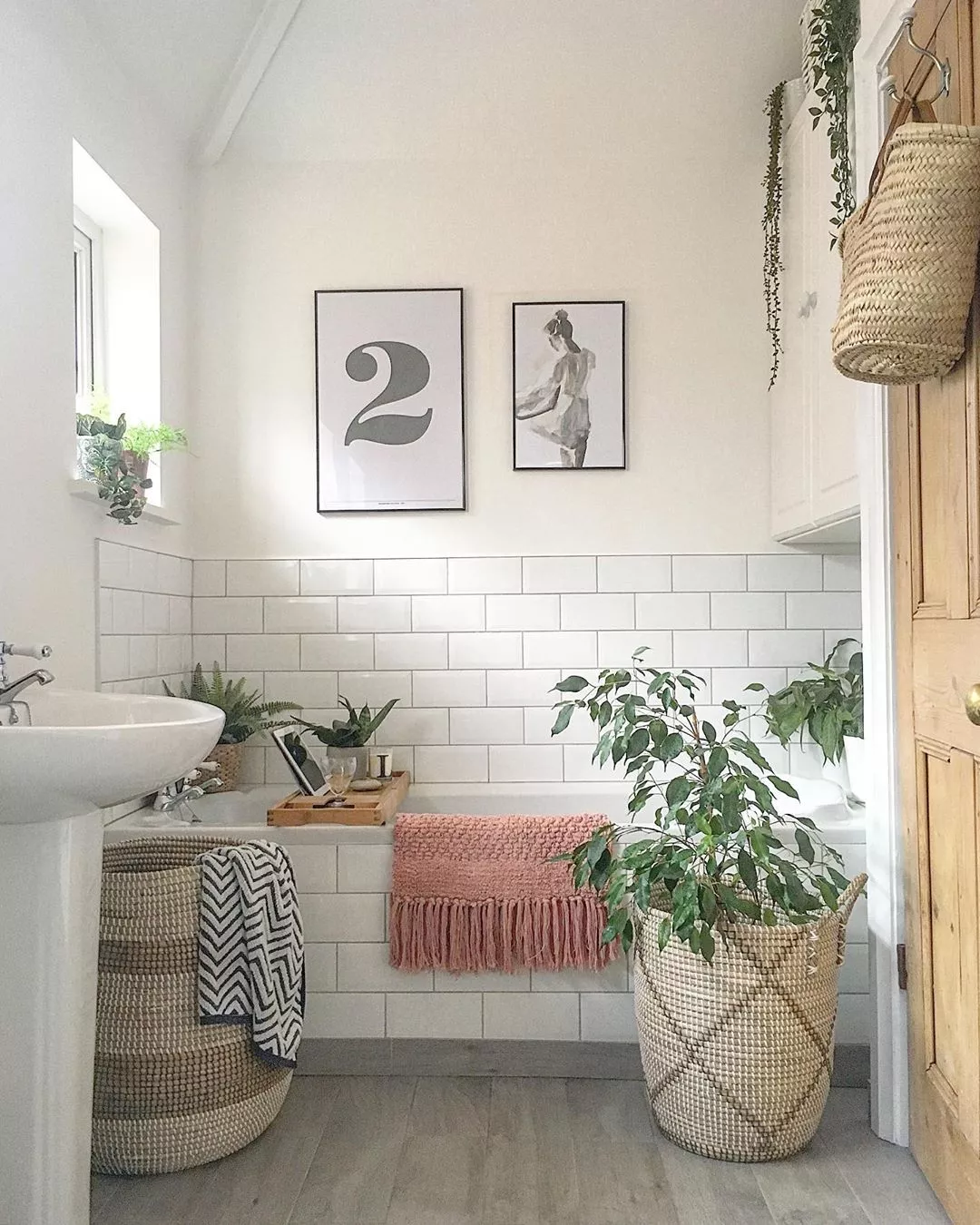
A compact room feels smaller when everyday products occupy every ledge. Decide what genuinely needs to live in the bathroom, then give those items enclosed storage close to where they are used. Spare towels and bulk packs can often live elsewhere.
Wall-hung vanity units
A wall-hung vanity provides concealed storage and keeps more floor visible. Drawers tend to make the full depth easier to use than a cupboard with plumbing in the middle. Check the internal layout carefully: a shallow unit that works with your waste pipe can be more valuable than a larger cabinet with unusable space.
Recessed shelving and shower niches
A tiled niche keeps bottles off the shower floor without projecting into the washing space. It must be planned before tiling, with adequate depth, a slight fall for drainage and proper waterproofing. Where the wall cannot be recessed, a well-positioned rail or tension caddy is a less disruptive alternative.
Mirrored cabinets
A mirrored cabinet combines two necessities above the basin. Recessed models have the least visual bulk, but even a surface-mounted cabinet can work well if it is shallow and does not interfere with the tap or light. Internal power or lighting must be specified and installed correctly for a bathroom environment.
Over-toilet and tall narrow storage
The wall above a concealed cistern can accommodate shallow shelves or a cabinet, while a tallboy uses vertical space in a narrow gap. Keep storage depth modest near circulation routes and avoid open shelves full of mismatched packaging; visual calm matters in a small room. For freestanding and narrow options, see our comparison of the best small bathroom storage cabinets.
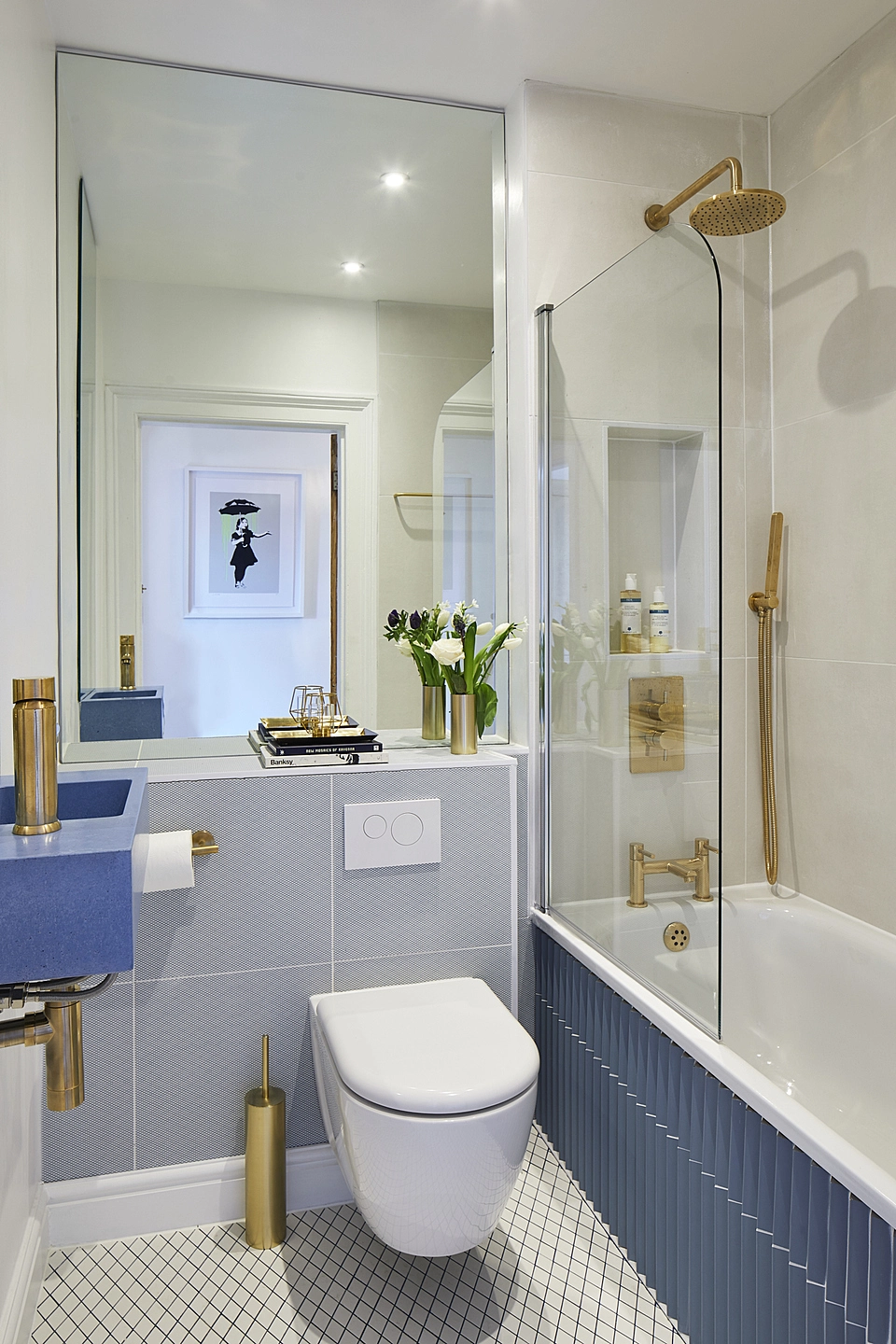
How to make a small bathroom feel bigger
The aim is not to disguise the room's size; it is to reduce visual interruptions. A limited material palette, clear sightlines and fittings with sensible proportions usually work better than filling the room with miniature versions of everything.
Use larger tiles and quieter grout lines
Large-format tiles can create a calmer surface because there are fewer grout joints. They are not automatically right for every floor: the installer still needs to form falls and avoid awkward cuts. A grout colour close to the tile reduces contrast, whether the tile itself is large or small.
Continue materials across surfaces
Using the same or closely related tile on the floor and walls reduces hard visual stops. You can still add character through texture, a vanity finish or one considered feature area. Repeating every trend at once makes a compact bathroom feel busier.
Choose a generous mirror
A wide mirror reflects light and gives the basin wall more depth. It often looks more intentional when aligned with the vanity or wall edges rather than floating as a small object above the tap. An illuminated model can also reduce the number of separate items competing on the wall.
Keep the shower visually open
Clear, frameless or lightly framed glass allows the full floor area to remain visible. Fluted glass offers more privacy but softens the view through the room, so decide whether openness or screening matters more. Always choose safety glass intended for the application.
Use light thoughtfully, not exclusively
Whites, warm neutrals, pale greens and soft greys reflect light, but a small bathroom does not have to be entirely pale. A darker vanity, rich ceiling or patterned tile can give the room focus when the surrounding palette is controlled. Layer practical lighting at the mirror with comfortable general light.
Consider wall-hung sanitaryware and heating
Seeing more floor beneath a toilet or basin can make the room read as larger and simplifies cleaning. Concealed frames need adequate structure and access for maintenance. Underfloor heating can release wall space otherwise occupied by a radiator, but it should be designed as part of the floor build-up rather than added at the last minute.
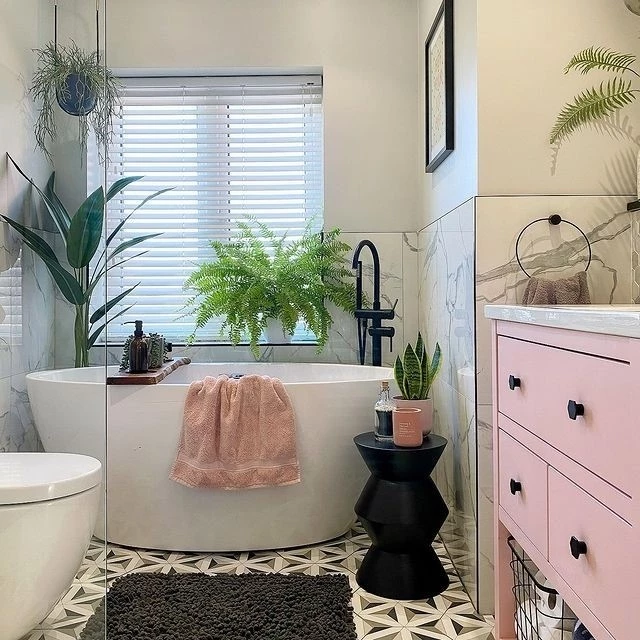
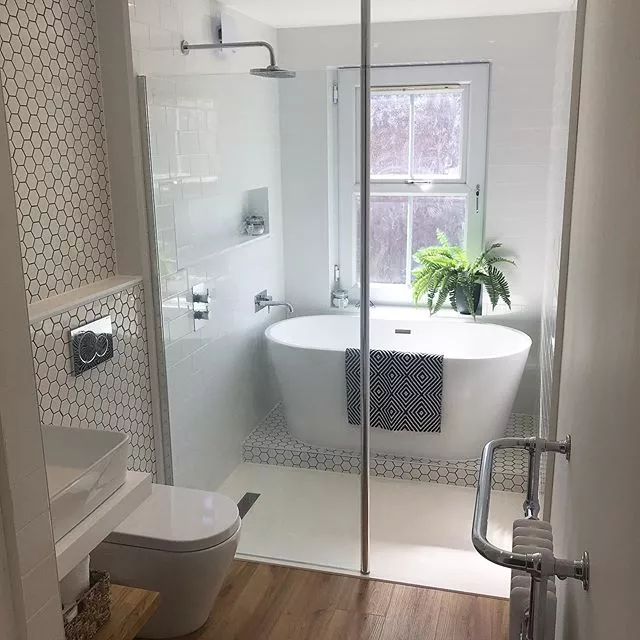
Small bathroom design ideas with staying power
Floating vanities, reeded glass, coloured basins, warm metallics and patterned tiles can all work in a small bathroom. Treat them as options rather than a checklist. One or two expressive details will age more gracefully than a room built around a single year's trend forecast.
Natural timber tones and simple stone-look surfaces suit compact rooms because they add warmth without relying on extra accessories. If you choose a statement basin or bold tile, let it be the focal point and keep nearby finishes restrained. Consistency in taps, handles and shower fittings also helps the room feel coherent.
How much does a small bathroom renovation cost?
Bathroom costs are driven less by floor area than by labour, waterproofing, plumbing changes and the level of finish. A small room can still require every trade involved in a larger bathroom, while tight access sometimes makes installation slower. Obtain itemised quotations and keep a contingency for hidden plumbing or subfloor problems.
Budget refresh: approximately £1,500–£3,500
A cosmetic update might retain the existing suite and layout while adding moisture-resistant paint, taps, lighting, a mirror, storage and new accessories. This gives the best value when the plumbing, ventilation and waterproofing are already sound.
Mid-range renovation: approximately £4,000–£8,000
This can cover removal of the existing bathroom, a replacement suite in broadly the same positions, new tiling, a vanity and routine plumbing work. Specifications and regional labour rates make a significant difference, so compare quotations on a like-for-like basis.
Full renovation: approximately £8,000–£15,000+
Moving drainage, creating a wet room, installing underfloor heating, using bespoke storage or choosing premium brassware can take a compact bathroom into this range. London and South East labour may be higher. These bands are planning estimates, not quotations.
Use the free Love Renovate budget tool to organise your figures before requesting quotes.
How to plan a small bathroom renovation
- Measure the existing room accurately. Record door and window positions, ceiling heights, pipework and the soil connection.
- Rank your priorities. Decide whether a bath, generous shower, double storage or easier accessibility matters most.
- Test the layout at full scale. Mark fixture footprints and door openings on the floor before committing.
- Plan ventilation early. An appropriately specified extractor is essential for controlling moisture; do not rely on opening a window alone. Our guide to the best bathroom extractor fans explains airflow, fan types, controls and ducting.
- Coordinate lighting and electrics. Bathroom electrical work and product positions must comply with the relevant safety requirements.
- Choose installers carefully. Ask who is responsible for waterproofing, waste removal, certification and resolving hidden defects.
- Order before demolition. Check every major item's dimensions and inspect deliveries so missing parts do not stall the project.
The best approach to a small bathroom
Start with movement and function, then add storage and finishes. A straightforward layout, one strong mirror, enclosed storage and an uncluttered shower area will usually make a greater difference than squeezing in more decorative features. Protect the budget for ventilation, waterproofing and skilled installation.
Frequently asked questions
What is the smallest size for a bathroom in the UK?
There is no single minimum size that suits every bathroom. The room must accommodate the chosen fixtures, safe access and any relevant building requirements. A designer can test a very compact plan around actual product dimensions rather than generic symbols.
Can you fit a bath in a small bathroom?
Often, yes. Shorter baths and shower-over-bath layouts can work well, but check the internal bathing space as well as the external dimensions. In some rooms, a generous shower provides a better everyday layout than an impractically small bath.
What tiles make a small bathroom look bigger?
Tiles with restrained pattern and grout close to the tile colour create fewer visual breaks. Large formats can help, but good setting-out and proportion matter more than size alone.
Is a wet room a good idea for a small bathroom?
A wet room can remove visual and physical barriers, especially in an awkward layout. It needs expertly designed falls, tanking and drainage, plus enough screening to stop the whole room becoming wet in use.
How much does it cost to renovate a small bathroom in the UK?
A cosmetic refresh may begin around £1,500–£3,500, a typical replacement around £4,000–£8,000, and a major renovation can exceed £8,000–£15,000. Layout changes, location and specification have more impact than room size alone.
Do I need planning permission for a bathroom renovation?
Most internal bathroom updates do not require planning permission, but listed buildings, external alterations and some changes of use may. Building regulations can still apply to ventilation, drainage, structure and electrical work, so check the project specifics.
What colour is best for a small bathroom?
Light warm neutrals, soft greens and pale greys can reflect light and feel calm, but darker colours can also work when lighting and contrast are considered. A controlled palette matters more than choosing white by default.
How long does a small bathroom renovation take?
A straightforward replacement often takes roughly one to three weeks once work begins. Layout changes, bespoke items, drying times and unexpected repairs can extend the programme, so confirm the sequence with your installer.
Planning a wider renovation? Build your project list with the Love Renovate checklist, organise costs in the budget tool, and browse local architects and renovation professionals.
As an Amazon Associate I earn from qualifying purchases.
Published: September 16, 2026


 Sign up with Facebook
 Sign up with Google
