Loft Conversion Cost: Your Complete Guide

Share
X
Copy Link
Thinking about a loft conversion? It’s one of the smartest ways to add extra space, light, and value to your home. But how much will your loft conversion cost?
Here’s what you need to know:
Every loft is different - size, type, location, and finishes all affect the price.
- Types of loft conversion: Velux (roof windows), Dormer, Hip-to-Gable, and Mansard - each comes with its own cost range.
- Bathrooms add extra cost, especially if the soil pipe isn’t in an ideal location.
- Stairs, interior finishes, and exterior cladding can make a big difference to your budget.
- Who carries out the work matters - choosing a reputable builder ensures quality and avoids costly mistakes.
The best way to get an accurate idea is to use our Loft Conversion Cost Calculator, which gives a personalised estimate based on your home and project type.
Loft Conversion Cost Calculator
Loft Conversion Cost
If you’re dreaming of extra space without moving, a loft conversion is one of the most cost-effective ways to transform your home.
Whether it’s a new bedroom, a gorgeous ensuite, or even a quiet home office, converting your loft can add value and create rooms you’ll genuinely enjoy using every day.
If you are considering a loft conversion, the best place to start is our Loft Conversion Cost Calculator, designed to give you a personalised estimate based on your home and the type of conversion you’re planning.
It’s quick, free, and the most accurate way to understand your true loft conversion cost.
Looking for an architect to help with your loft conversion - you can find one on Love Renovate.
Architect Directory
What Affects The Loft Conversion Cost?
Every home and loft conversion project is different, but these are the main factors that influence the price - and how much you should allow for.
1. The type of loft conversion
The style you choose will have a huge impact on the overall cost:
Velux loft conversion cost
This is usually the most affordable option, as it keeps the existing roof shape and simply adds roof (Velux) windows. It’s ideal for lofts that already have good height and don’t need major structural work.
Keep in mind what you are using your loft conversion for. If it's for a kids play space or an occasional spare room, a Velux loft conversion might be the most cost effective loft conversion.
Dormer loft conversion cost
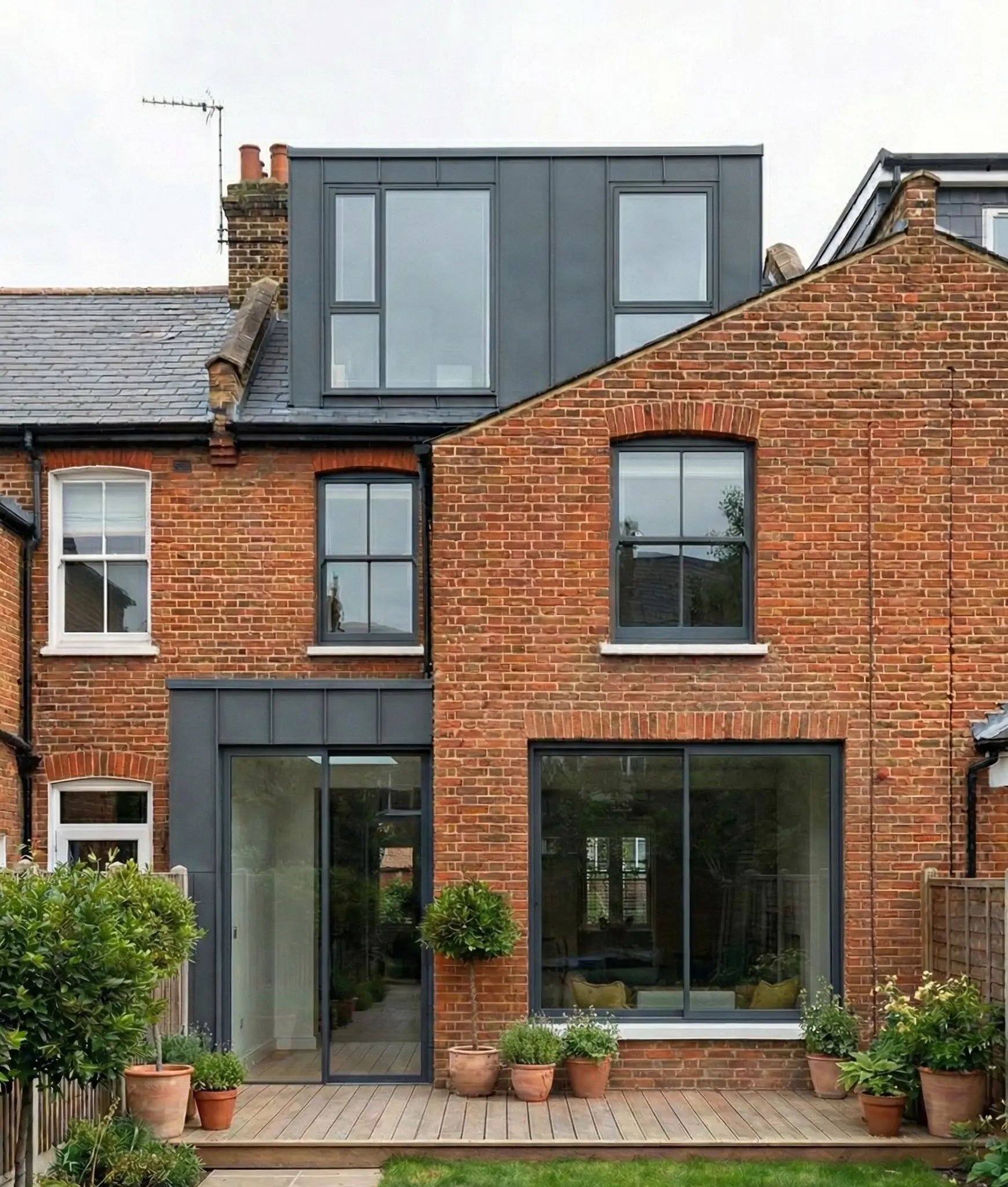
Dormers are extremely popular because they maximise usable floor space and head height. They involve building out from the roof, so they sit in the mid-range for cost.
A popular choice for a London loft conversion to a Victorian terrace, where many renovators add a master bedroom and ensuite, significantly adding to the size of their loft conversion.
If you're considering a dormer loft conversion, then Your guide to dormer loft conversions is a great place to get information and dormer loft conversion ideas!
Hip-to-Gable loft conversion cost
A Hip-to-Gable conversion is perfect for semi-detached or detached homes with a sloping “hipped” roof.
Typical in homes built after the 1930s - most Victorian homes already have hip to gable roofs which makes them easier to extend.
By extending the sloping side vertically to create a gable wall, you gain more head height and usable space - often without the expense of a full Mansard.
Mansard loft conversion cost
A mansard conversion involves significant roof restructuring, usually at the rear of the home.
This is typically the most expensive option but gives you the most space and a more “house-like” feel.
This is the most structurally significant loft conversion, as it's essentially creating a new roof. As well as being more costly to build, you will most likely require planning permission which will add to the loft conversion cost.

What is the Loft Conversion Cost UK vs Loft Conversion Cost London?
It’s no surprise that London prices are significantly higher. Labour, materials, and specialist expertise cost more in the capital, so it’s common to see a noticeable uplift compared to the rest of the UK.
Our loft conversion cost calculator factors in your location, so you’ll get a more realistic starting point depending on where you live.
Adding a Bathroom: How Plumbing Affects the Cost
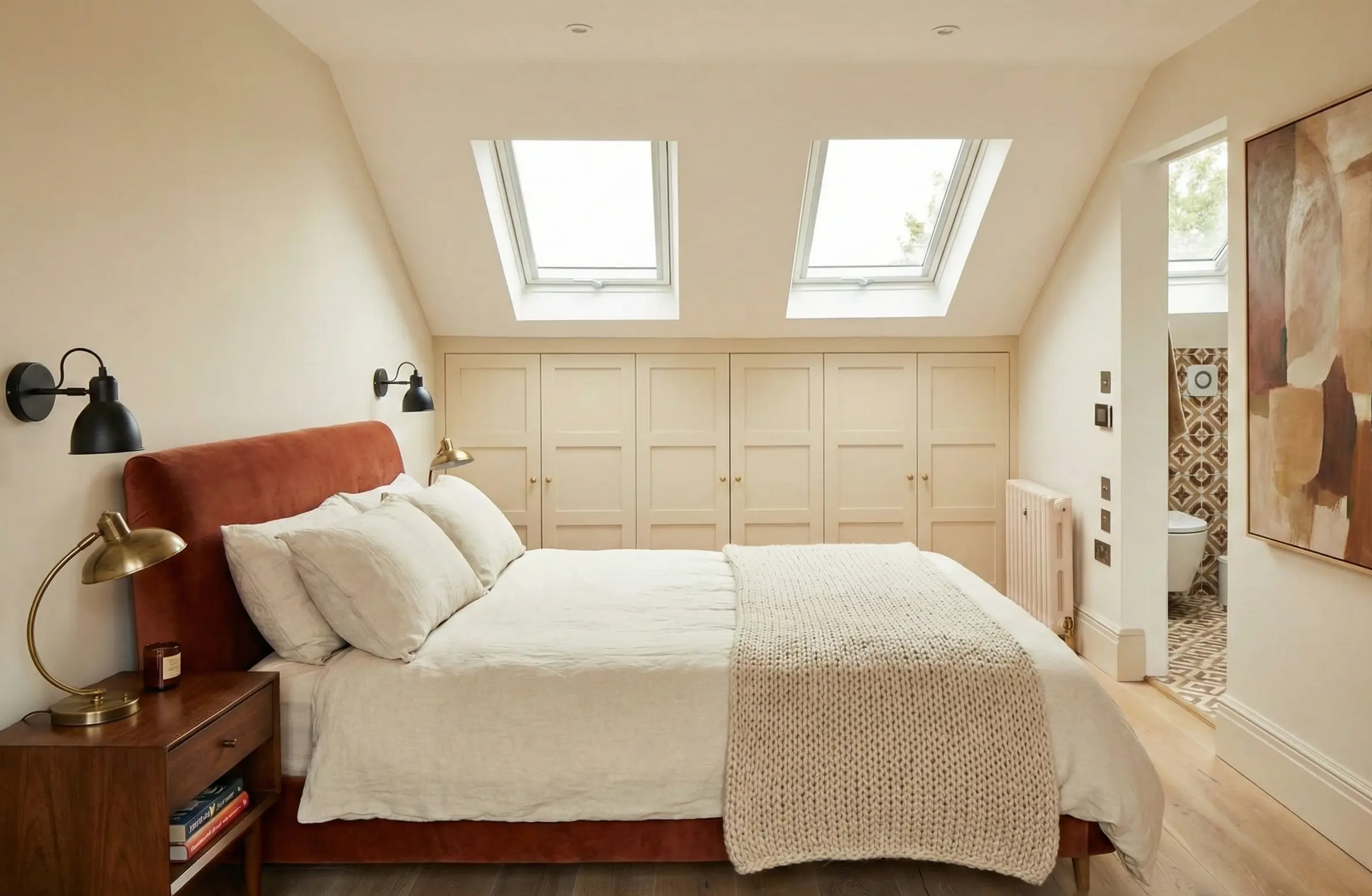
If you’re planning a new en-suite - which is one of the best ways to maximise value and make your new loft conversion practical - the cost of the new bathroom and the location of your existing pipework will influence the cost.
Aligning the ensuite with the floor below (e.g., above an existing bathroom or kitchen) keeps costs down because your soil stack and water supply are already nearby.
Creating a bathroom on the opposite side of the house may require new drainage routes or pumped systems, which adds complexity and cost. This will also require more help from your structural engineer and architect, so expect to pay more for their fees.
Our loft conversion ensuite has more information around what you should consider.
Ventilation (such as skylights or extractor fans) also needs to be considered early, as it affects the structural layout.
Adding a bathroom is absolutely worth it, but it’s helpful to be aware of how the layout impacts your overall loft conversion cost.
Loft Conversion Stairs: An Important Cost Factor
Stairs are often overlooked, but their design can dramatically affect the budget:
- Positioning stairs over the existing staircase is the most efficient and affordable option.
- Installing them elsewhere may require floorplan reconfigurations downstairs.
- Bespoke designs, open treads, or glazed balustrades will increase the cost but can make an incredible design feature.
Stairs are usually one of the first things a professional will discuss with you, as they play a big role in how your new loft feels.
Exterior and Interior Finish: Where Costs Start to Increase
Once the main structure is built, finishes make the biggest difference to the budget - and the final look of your loft conversion.
Exterior finishes
To keep the loft conversion cost down, matching brickwork or tiles with the existing home. Adding cladding or steel creates a modern look however will add to the cost.
High-quality windows (especially for mansards and dormers) are a popular choice. Sliding doors, bifolds or large frameless aluminium windows are popular ways to add to the style but will significantly add to the over loft conversion cost.
High-end exterior finishes will elevate the final result but do increase the overall cost.
Interior finishes
Your choices inside can also vary hugely in price and this is often an area where renovators choose to shop around and source their own finishes to save on the cost.
Items that add to the overall loft conversion cost include:
- Joinery - built-in wardrobes are popular in lofts and can be space saving too
- Flooring - engineered wood is a popular choice however a simple carpet might be more cost effective
- Painting and decorating
- Bathroom fittings and tiling
- Lighting design (uplights or spotlights in angled ceilings)
These are all areas where you have flexibility to save or spend more, depending on your priorities. You can also choose to spend more as you go, leaving some of the decor unfinished to work with your budget.
Who Should Carry Out the Work - Choosing the Right Builder
It can be tempting to go with the cheapest quote, but a loft conversion is a major structural project - and the quality of work matters.
Here’s what to look for:
- A builder with specific loft conversion experience. Loft conversion companies are popular in London but not necessary. Many builders will carry out the work whilst they do the rest of your home renovation.
- Someone who can handle structural engineering requirements
- A team who is familiar with local planning requirements
- Good communication and a clear programme of works
- References and examples of previous conversions
A reputable, experienced builder may cost slightly more upfront but will save you stress, delays, and unexpected costs later. Read our article on Questions To Ask Your Builder for more advice.
Other Loft Conversion Costs You May Not Have Considered
Here are a few additional elements that can influence your overall loft conversion cost:
- Upgrading insulation to meet building regulations
- Steelwork if your loft needs structural strengthening
- Party wall agreements (for terraced or semi-detached homes)
- Planning permission (not always required, but possible for mansards or larger dormers)
- Scaffolding, which might be needed for several months
- Heating changes, such as relocating boilers or radiators
These aren’t always major costs, but it’s helpful to be aware of them when planning.
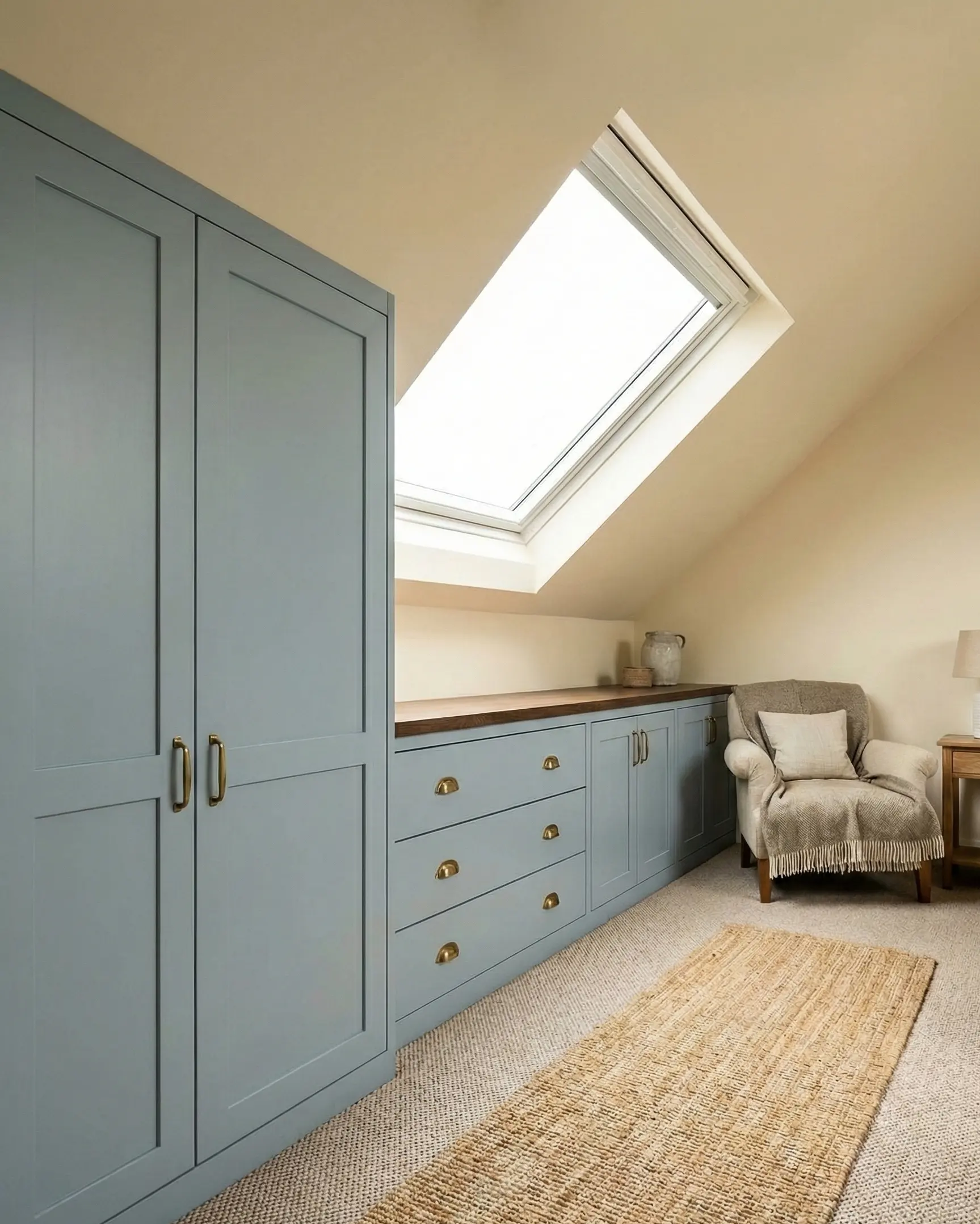
How to Bring the Cost Down
We have an entire guide dedicated to this, full of practical advice. How to reduce your loft conversion cost is useful for anyone considering a loft conversion.
You'll find tips on design choices, layout decisions, and ways to save on finishes.
The Best Way to Estimate Your Loft Conversion Cost
Rather than relying on rough online numbers, use our Loft Conversion Cost Calculator to get a realistic estimate for your home.
It’s the quickest and easiest way to understand how much your project might cost - whether you’re planning a dormer, mansard, or Velux loft conversion.
Published: November 27, 2025


 Sign up with Facebook
 Sign up with Google
